
How many no’s does it take to finally say yes?
No to the weekends spent with friends. No to the comfort of staying home. No to the countless moments most young people experience without a second thought.
For every opportunity that comes with pursuing a dream, countless others are left behind: plans you cannot make, people you cannot always see, the experiences you miss. You learn to sacrifice before you are old enough to understand what those sacrifices mean fully.
But what about the no’s you never chose to hear?
The opportunities that never came, the doors that didn’t open and the moments that demanded resilience when giving up might have seemed easier.
For Ben Lee and Carson Rassak, the answers are different, but both have learned that pursuing a childhood dream often means giving something else up along the way.
Lee left home at 18, travelling across the Atlantic to pursue professional football. Rassak spent years training in Langley, working toward an opportunity that was never guaranteed.
Before contracts, professional debuts or names printed across the backs of jerseys, there were two boys who just wanted to play football.
Now, at 20 and 18, respectively, Lee and Rassak share a pitch at Vancouver FC, carrying both sacrifices they chose and the disappointments they worked through. Before either could say yes to this moment, they had to keep choosing the dream.
Love at First Touch
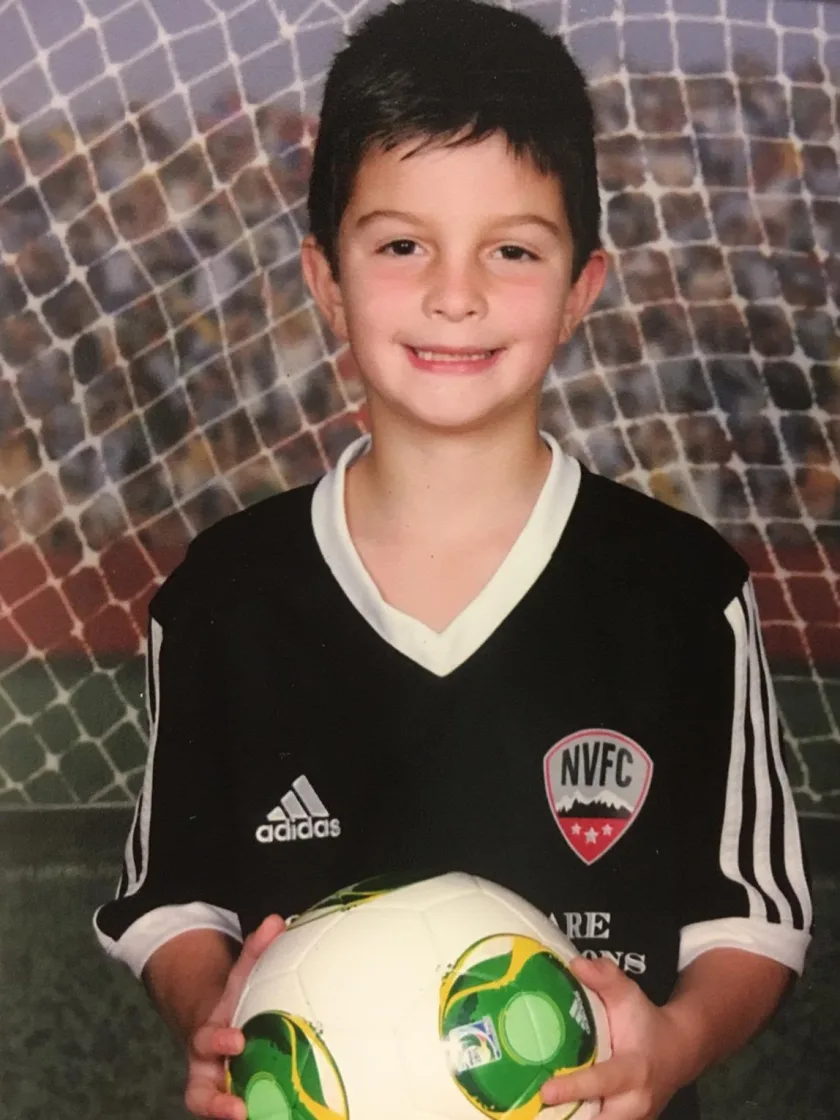
While most kids worried about misplacing pencils and missing school supplies, Lee had bigger problems: replacing footballs.
He estimates he went through about fifteen footballs during elementary school. Some landed on school roofs; others disappeared beyond fences, leaving him without the one thing he always wanted close at hand.
Lee was born in South Africa and moved to Canada when he was only six years old. That transition would not only shift the course of his life but also his sense of identity.
In his first few days of elementary school, he made new friends and discovered the sport that would shape his childhood.
“As soon as I first touched that ball in elementary school, I was like, ‘Oh, I love this,’” Lee recalled. “And then I’ve never had another thought in mind. It was always just, ‘I want to be a professional soccer player.’”
Throughout elementary school, Lee insisted on wearing shorts, regardless of the weather, because he could not imagine playing in full-length pants. From grade one through grade seven, he arrived with his soccer shoes and a ball, ready to play whenever he could.
According to Lee, he wasn’t necessarily the standout player everyone expected to become a professional. “I was never one of the better players at a younger age, but I always kind of kept working and working, and that’s kind of why I ended up here.”
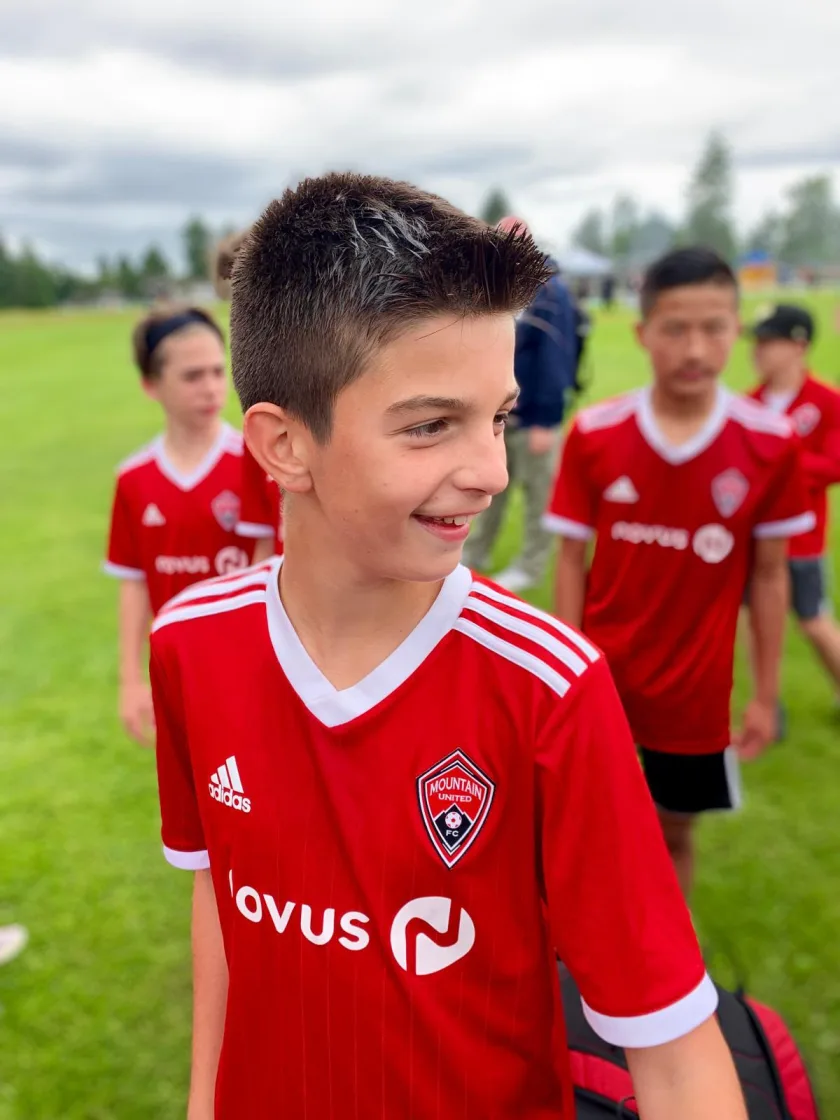
His persistence carried him through North Vancouver FC, Mountain United and eventually the Vancouver Whitecaps academy, where football became an increasingly serious commitment.
Lee’s progress and work ethic were so consistent and prominent that opportunities arrived before his parents had time to take in how far he had already come.
Lee was not the only one learning the game. His father, who knew little about football, began watching YouTube videos to understand the sport and help his son train. His mother supported the less visible parts of his development, preparing meals and helping manage the demands of school and training.
As Lee progressed, the family adjusted with him: long trips to training, weekends built around matches and decisions about what pursuing professional football would require.
“My parents, one hundred per cent,” Lee said when asked who made the greatest sacrifices for him.
At eighteen, Lee was preparing to leave behind the family, friends and familiar routines that had been part of every stage of his development.
After many no’s, a yes was taking him to Ireland.
From Recess to Rosters
Twelve years after moving to Canada, Lee was heading to another continent, this time in pursuit of football.
After progressing through the Whitecaps academy, Lee wanted to experience European football and challenge himself in an unfamiliar environment.
Canada was where he had grown up, built friendships and discovered football. Leaving for Ireland meant stepping away from that familiar life to pursue the dream that had taken root there.
On February 4, Lee signed with Treaty United in the League of Ireland First Division, based out of Limerick.
Living in Ireland required Lee to take charge of cooking, laundry, nutrition and waking up on time; responsibilities his family had helped him manage at home.
He lived alongside older teammates, learning from players who had already adjusted to the demands of professional life.
He missed his parents, his younger brother and the family dog. Living away taught him independence and gave him a deeper appreciation of the support he had grown up with.
After a year and a half, Lee began considering a return to Canada. He valued his time in Ireland but felt he still had room to refine his game.
During the summer of 2026, Vancouver FC offered him a ‘yes.’
On August 19, 2026, Lee made his first Canadian Premier League appearance against Atlético Ottawa. A month later, he earned his first start for Vancouver FC against provincial rivals Pacific FC in the Salish Sea Derby.
Lee learned he would be starting the day before the match, while out on a walk. The news was difficult to believe. After years of working toward an opportunity like this, he was in the starting XI.
The first people he wanted to tell were the two people who had been behind him since the beginning: his parents.
Alongside the excitement came gratitude for the trust of head coach Martin Nash, the coaching staff and his teammates.
On September 19, he played the full 90 minutes against Pacific FC.
The boy who had not always been among his team’s strongest players was now beginning to make his presence felt in Vancouver FC’s midfield.
Only days later, another local player would begin his professional career on that same pitch. Carson Rassak had not travelled far from home, but his journey to get there had taken years.
Ready or Not
Growing up in Langley, Rassak spent years training on local pitches, including the turf where he would eventually make his professional debut.
Long before his name appeared on a professional team sheet, he was climbing fences to get a few more hours with a football.
“It’s basically my backyard playing there,” Rassak said.
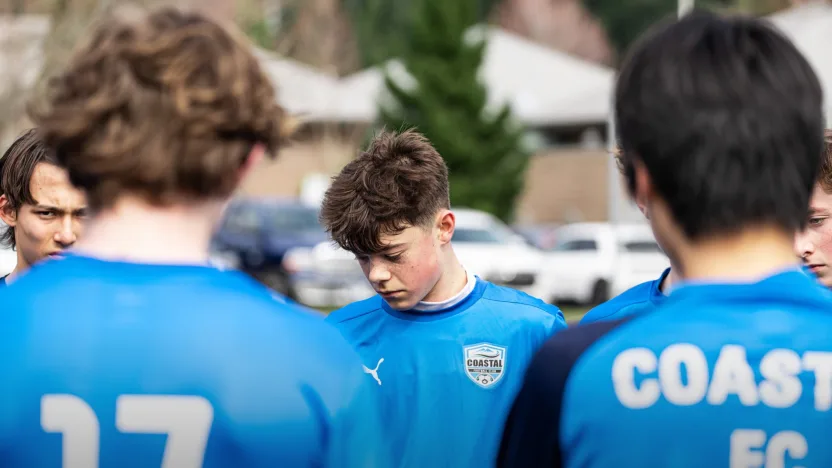
That full-circle moment didn’t come easily. Rassak began playing football at five years old with Langley United before progressing through Coastal FC and the Vancouver Whitecaps system.
Some of his most cherished childhood memories come from Langley United camps, where he competed alongside friends and worked toward earning player-of-the-camp honours.
Like many young athletes trying to establish themselves, Rassak learned that working hard did not always guarantee the answer he wanted.
Each setback left him with a choice: let disappointment decide what happened next, or return to the field and keep working.
Rassak kept working.
He spent mornings on the field while other kids were still asleep, afternoons improving his game, and evenings when football took priority over time with friends.
His mother recorded countless hours of him practising, capturing the work that happened before anyone watched him from the stands. Meanwhile, his father spent hours alongside Rassak on the streets, turning stretches of concrete into makeshift football pitches.
In the Whitecaps system, training became more demanding, with regular trips to UBC and a schedule that required sacrifices from both Rassak and his family.
Similar to Lee, Rassak’s development involved challenges that rarely make it into the story of a young player's debut. Training sessions, setbacks, moments of rejection and the determination to keep going.
“People can be like you’re just born with talent, but people don’t see how much work I put in,” Rassak said.
Self-interpretation and biased observation often shape how people discuss young talent. When a teenager breaks into professional football, attention naturally turns to potential. How good could he become? How far could he go? What might his future look like?
Those questions can overshadow the work that brought him here.
While professional football often celebrates the moment a young player finally receives an opportunity, it rarely shows the years spent preparing for the one that might never arrive.
Rassak’s resilience was not simply about continuing to train. It was about remaining committed to a dream even when the outcome was uncertain.
He could control the hours he spent practising, the effort he brought to training and the decisions he made away from the pitch.
He could not control whether opportunities would come his way. Perhaps that is one of the more difficult lessons young athletes must learn: sometimes, doing everything you can still doesn’t guarantee hearing a ‘yes.’
But that didn’t mean the work was for nothing.
The opportunity Rassak had spent years pursuing was about to arrive.

Here I Come
On September 21, 2026, Vancouver FC announced that Carson Rassak had signed his first professional contract.
And this time, the answer was yes.
Two days later, the 17-year-old was making his Canadian Premier League debut.
In the two days between signing his contract and making his debut, Rassak found reassurance in the people who had watched him grow up.
His two closest friends reminded him that he had earned his opportunity. “You’re good enough,” they told him. “We’ve seen you play so many times; just don’t be scared, do your thing.”
His parents reminded him to enjoy the experience and play the way he always had. Their confidence in him steadied his nerves.
On September 23, 2026, Vancouver FC faced Inter Toronto at the Stadium at Langley Events Centre.
In the 55th minute, Rassak entered the match.
Rassak wanted to get on the ball early, settle his nerves and contribute wherever he could. His teammates encouraged him as he adjusted to the pace of the game. The head coach then moved him to the wing, a position he hadn’t played regularly in some time, but Rassak embraced the opportunity.
He received the ball, drove inside and laid it off to Luis Toomey. Toomey finished the move, giving Rassak an assist on his professional debut.
Safe to say, coaches know best.
In thirty-six minutes on the pitch, Rassak contributed to Vancouver FC’s 3-3 draw, and he did it only minutes from home.
In the stands were relatives, friends, and familiar faces from the community where he grew up. Beneath his feet was the ground where he had spent countless hours practising.
Rassak remembered training there while the stadium was still being developed. When construction eventually restricted access, he occasionally climbed the fence to get onto the turf.
A few years ago, he was looking for somewhere to play. Now, people are looking out for him from the stands.
A Place Among the Names
Changing schools mid-year can be daunting. Joining a professional football team mid-season brings its own nerves, with every touch, decision and response carrying new weight.
Lee and Rassak knew the routines of training and competition. A professional dressing room brought a different challenge: building relationships with experienced teammates while finding their place among them.
Lee brought leadership experience to that adjustment. Having captained his team during his time in the Vancouver Whitecaps academy, he understood the importance of making teammates feel included, especially those struggling for minutes or confidence.
“When I talk, I don’t feel like no one’s listening,” he explained. At Vancouver FC, he felt heard.
Familiar faces helped ease Rassak’s transition.
One was Matteo Campagna, whom Rassak had known through his friendship with Campagna’s younger brother. Having spent time around the family growing up, Rassak saw him as an older-brother figure on his new team.
Lee also mentioned Campagna as someone who helped him feel at home and eased his transition to the new team.
At just 22, Campagna is still navigating professional football himself, yet younger teammates have come to rely on him for reassurance.
Rassak also felt supported by Marsel Bibishkov, who, despite being only a few years older, had already experienced professional football abroad. Bibishkov helped him navigate unfamiliar locker-room routines, introducing him to teammates and making the transition feel less overwhelming.
Campagna and Bibishkov’s willingness to support a younger teammate reflects a team-first mentality, one that recognizes that growing together is just as important as developing individually.
After all, earning a place on the team is one thing. Feeling like you belong among the names beside yours is another.
All Roads Lead Home
How much does it take to become a professional footballer?
From the outside, the answer might seem straightforward: talent, discipline, opportunity, and the determination to keep improving.
Lee and Rassak’s stories reveal something more complicated.
Years of preparation rarely make it into a highlight reel, and families make sacrifices and face setbacks that don’t disappear just because a player eventually signs a contract.
And even then, the work continues.
Reaching Vancouver FC has brought new responsibilities and greater expectations for both players.
At 20, Lee continues to find his footing in professional football while showing that leadership isn’t reserved for the most experienced players. He prioritizes strengthening his character just as much as developing his abilities on the pitch.
Rassak’s debut was a memorable beginning built on resilience and ambition. At 17, he is willing to keep putting in the work and embrace every challenge on and off the pitch. Much of that stems from his unwavering faith that he will never feel alone.
When Rassak was asked what he would tell his younger self, the boy who spent countless hours training and hoping for an opportunity, his answer was simple:
“Enjoy it.”
Keep working, but remember why football mattered in the first place.
Lee first found that love on an elementary school playground in North Vancouver, where footballs had a habit of disappearing over fences and onto rooftops.
Rassak grew on the fields of Langley, including one he occasionally had to climb a fence to reach.
Different roads, different sacrifices, but the same backyard now.
Somewhere across the Lower Mainland, another young player is staying on the field a little longer, taking another shot or asking for one more game before heading home.
They won’t know how many opportunities will come their way, how many sacrifices they will make or how many times the answer might be no.
Neither could Lee nor Rassak.
For the past four seasons, Vancouver FC has offered players coming through local academies and youth systems an opportunity to pursue professional football close to home. The club continues to build its identity around teamwork, ambition, and a shared commitment to growth, where every player has a role in shaping the club’s future.
The Canadian Premier League has opened new doors for aspiring footballers, but the road has not necessarily grown shorter. The sacrifices, uncertainty and determination remain. So does the question: How many no’s does it take to finally say yes?
There’s no definitive number.
Sometimes, the biggest yes of your life is built on everything you were willing to say no to. Other times, it begins with finding the courage to keep going after hearing no.
Surely, resilience is what carries a person home.