
Canadian Premier League hosting 'Daylight Offside' Trial in collaboration with FIFA
The Canadian Premier League is providing the competition environment for an official trial related to an alternative offside law -the so-called 'daylight' principle- during its League Season in 2026, in collaboration with Fédération Internationale de Football Association (FIFA) under the mandate of The International Football Association Board (IFAB).
“This is about positioning the Canadian Premier League at the forefront of innovation and contributing meaningfully to the global evolution of the game,” said James Johnson, Group CEO, Canadian Soccer Media & Entertainment and Commissioner, Canadian Premier League. “By working closely with FIFA and IFAB, we are proud to play a role in shaping the future of football while continuing to build a competition that reflects our ambition here in Canada.”
The trial will be accompanied by the introduction of Football Video Support (FVS) technology, as well as additional measures to enhance match tempo and reduce time-wasting.
“This is an important pilot,” said FIFA’s Chief of Global Football Development Arsène Wenger. “By testing this new interpretation in a professional competition, we can better understand its impact, including in terms of improving clarity and the flow of the game and promoting attacking play. We look forward to analysing the results of the trial phase. We thank the Canadian Premier League and the Canadian Soccer Association for their willingness to support FIFA with this pilot and for providing their competition.”
Alternative Offside Rule Trial
In collaboration with FIFA, the Canadian Premier League will be the first professional league in the world to test the alternative offside law.
The trial will evaluate whether introducing a clearer visual threshold can restore greater attacking advantage and boost the flow of matches.
The alternative rule, also known as the ‘Daylight’ offside rule, differs from the current definition of offside as detailed in the IFAB Laws of the Game 11.1.
Current wording in Laws of Game
A player is in an offside position if:
- Any part of the head, body or feet is in the opponents' half (excluding the halfway line) and
- Any part of the head, body or feet is nearer to the opponents' goalline than both the ball and the second-last opponent
Alternative law (to be used in 2026 CPL season)
A player is in an offside position if:
- The player's head, body and feet are wholly in the opponents' half (excluding the halfway line) and
- The player's head, body and feet are wholly nearer to the opponents' goalline than both the ball and the second-last opponent
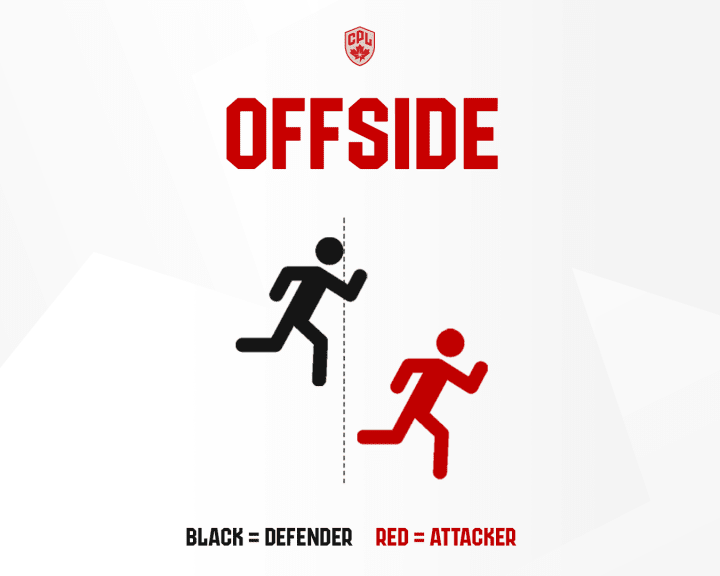
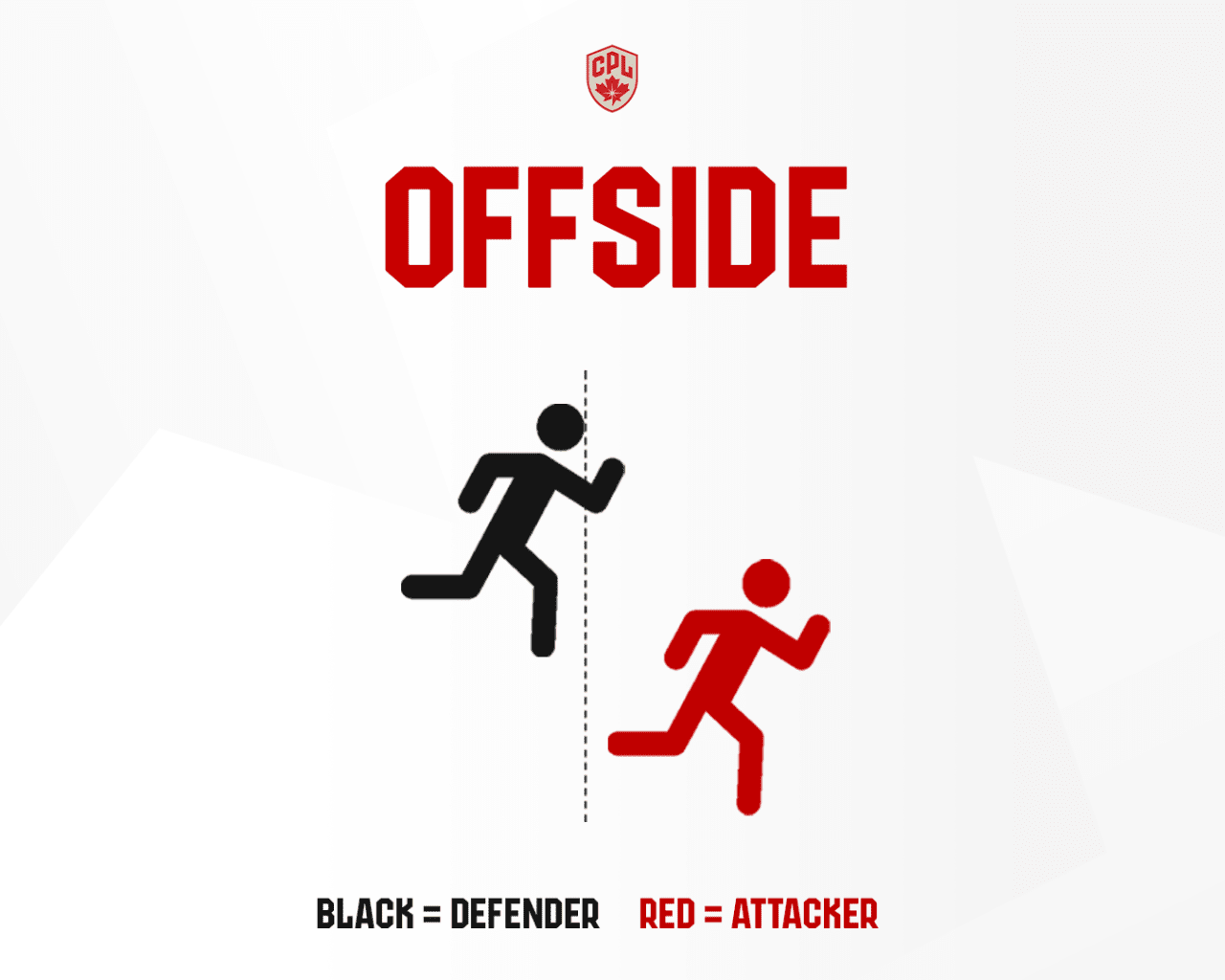
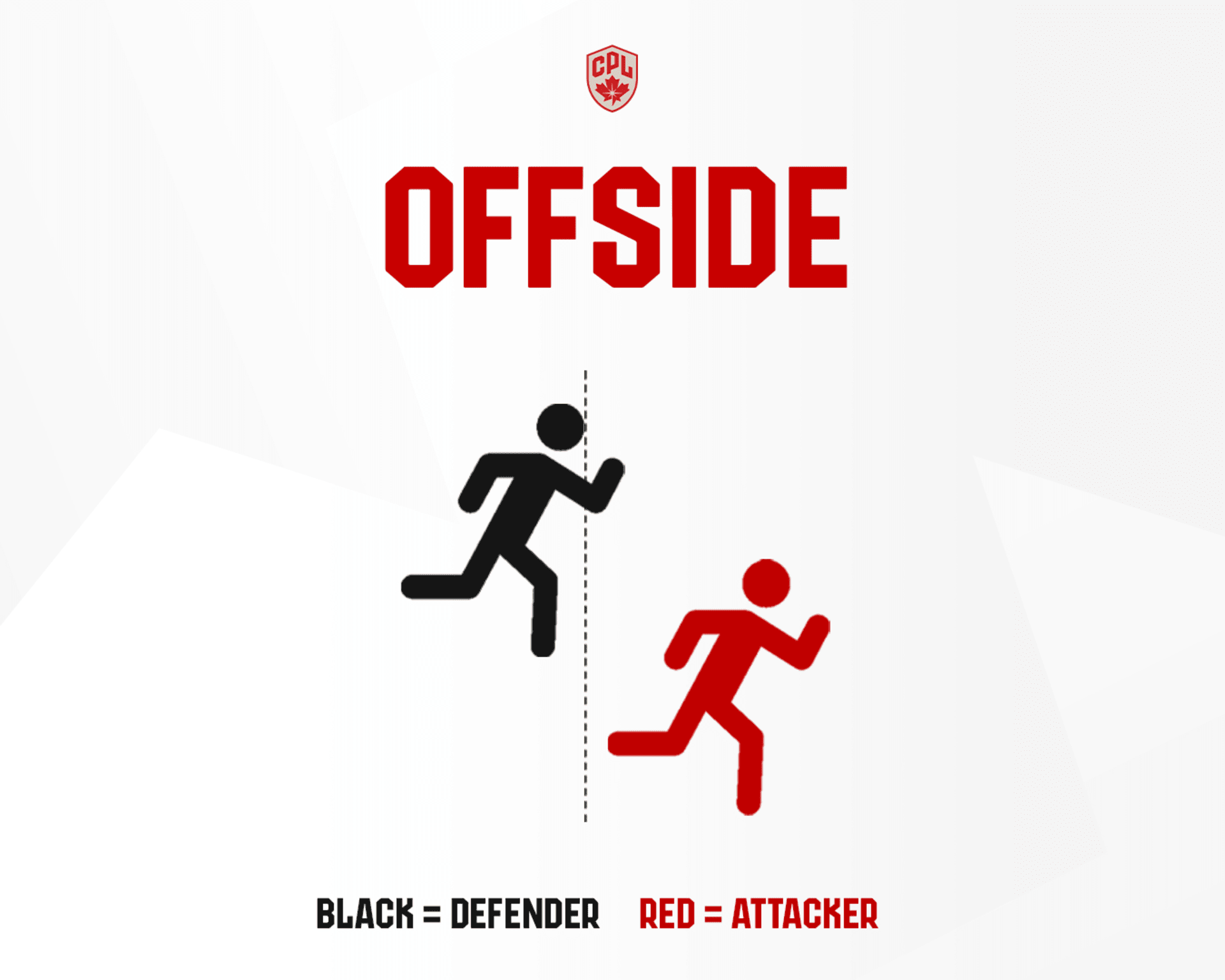
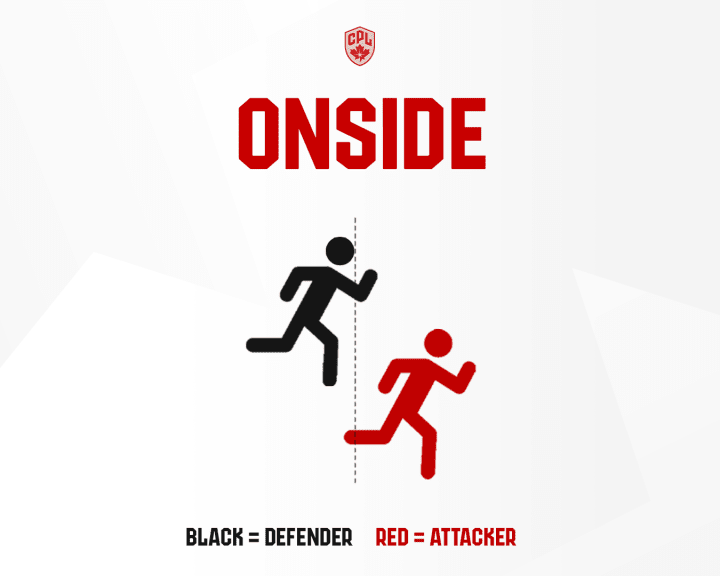
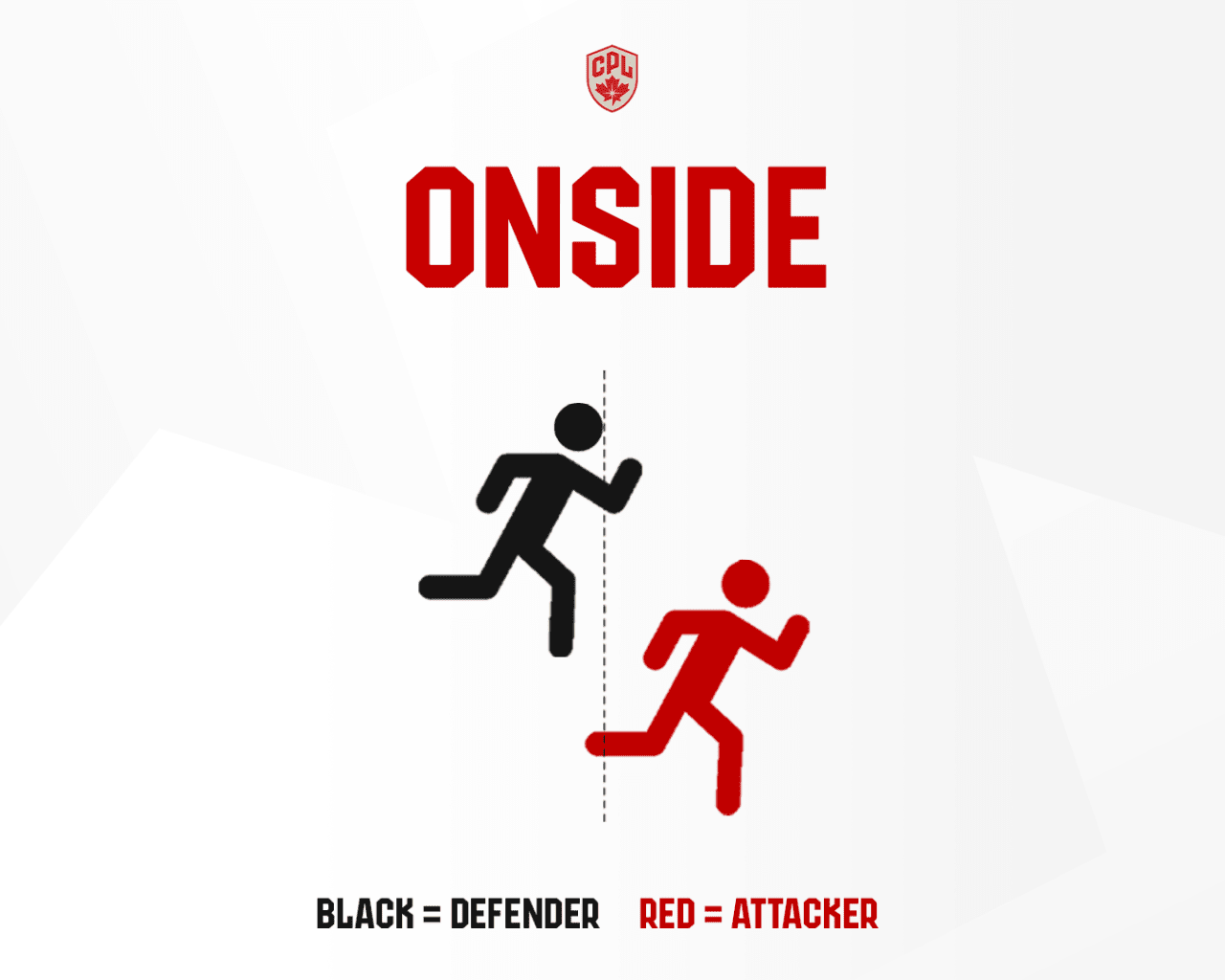
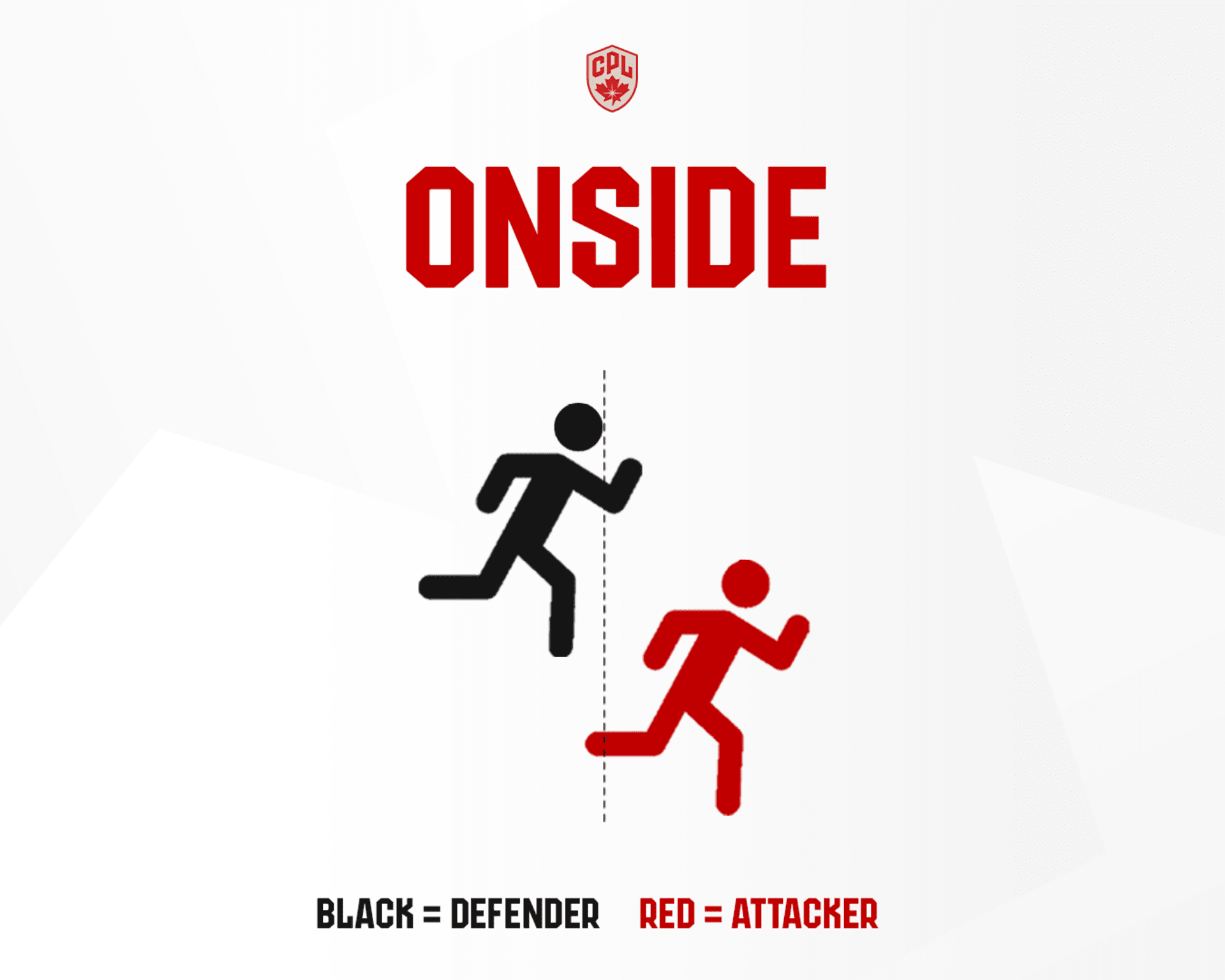
The hands and feet of all players, including goalkeepers, are not considered in determining whether a player is offside.
Football Video Support (FVS)
As part of the trial, the Canadian Premier League is also introducing Football Video Support (FVS) for the 2026 season
FVS does not use dedicated video match officials and therefore does not automatically check all match-changing incidents. Instead, a team’s head coach is responsible for requesting a review. They do so by making a finger twirling in the air motion and handing a request review card to the fourth official immediately after the incident. The head referee will then go to the field-side referee review area to review replay footage.



Coaches are allowed to request a check when they feel there has been a clear and obvious error in match-changing incidents such as goal/no goal, penalty/no penalty, direct red cards or mistaken identity.
Each team is given two review requests during a match, with an additional review request added should the match go to extra time. If a referee’s call is overturned as the result of a review initiated by the head coach, the team retains its review request, and the card is returned to the head coach. If the original decision is upheld, the team loses that review request.
Additionally, each goal scored is reviewed by the fourth official to ensure no clear and obvious offence was committed by the attacking team as it directly relates to its scoring. The fourth official also reviews any goals that are disallowed by the head referee to make sure they have correctly done so. If a coach disagrees with a fourth official’s assessment, he can still request a review, and then the head referee will come over to watch the replay.
The new technology has been used in multiple FIFA tournaments, including the 2024 FIFA U-20 Women’s World Cup and the 2025 FIFA U-17 World Cup, as well as this season in Liga F – the top flight of Spanish women’s football.
Match Flow Improvement Rules
In February, the International Football Association Board (IFAB) created a new set of rules designed to improve match flow and player behaviour.
Here are the three key ways that these rules will be implemented in the Canadian Premier League this season:
Throw-ins and Goal Kicks
Where the referee determines a throw-in or goal kick is being deliberately delayed, a five-second visual countdown will be initiated. Failure to put the ball in play before the countdown expires results in the throw-in being awarded to the opposing team, or a corner kick being awarded in the case of a delayed goal kick.
Substitutions
Substituted players must leave the field within ten seconds of the substitution board being displayed. If a player fails to comply, the substitute may not enter until the first stoppage after one minute (running clock) has elapsed following the restart.
Off-Field Treatment and Assessment
Where a player receives on-field assessment for an injury, or where their injury causes play to be stopped, that player must leave the field and remain off it for one minute (running clock) after play resumes.